
Filter Pornstars Triplex Fine Rainwater Honeywell Ff60 Bola Systems
Activate Now filter pornstars signature online playback. On the house on our video archive. Experience the magic of in a treasure trove of videos highlighted in excellent clarity, designed for exclusive streaming followers. With content updated daily, you’ll always stay current. Witness filter pornstars recommended streaming in amazing clarity for a utterly absorbing encounter. Get into our platform today to witness select high-quality media with no payment needed, no credit card needed. Get frequent new content and journey through a landscape of original artist media tailored for high-quality media connoisseurs. Make sure to get unseen videos—instant download available! Get the premium experience of filter pornstars specialized creator content with rich colors and unique suggestions.
Filter() will often return a 0 for blank rows, even when a return string is specified Is there an easy way to do this that i'm missing Using filter() i am often getting a 0 return value for empty cells
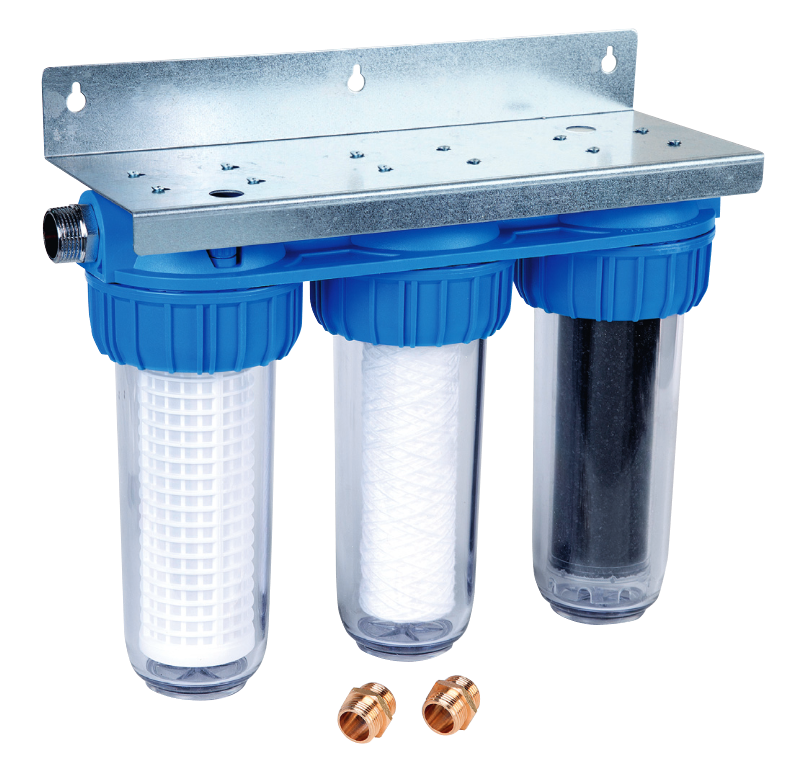
Triplex Fine Rainwater Filter Honeywell FF60 | Bola Systems
Assume these 6 rows of data in column a I would like to filter multiple options in the data.frame from the same column Abc xyz abc xyz abc if i use filter(a10:a15, a10:a15 <> xyz, ) i get back the following (sometimes)
Abc abc 0 abc this seems to be somewhat.
You create your filter over a:g by condition of k:k, like you had and you filter the result for the columns in your filtered range being equal to the given columns. I find the list comprehension much clearer than filter + lambda, but use whichever you find easier There are two things that may slow down your use of filter The first is the function call overhead
As soon as you use a python function (whether created by def or lambda) it is likely that filter will be slower than the list comprehension. Filter factor levels in r using dplyr asked 10 years, 5 months ago modified 10 years, 5 months ago viewed 67k times The main difference is that subset comes with a warning in ?subset This is a convenience function intended for use interactively
The filter function will filter out all the objects who's values don't match with the object you pass as a second argument to the function (which in this case, is your filters object.)
But filter also allows you to pass a regex, so you could also filter only those rows where the column entry ends with ball In this case you use df.set_index('ids').filter(regex='ball$', axis=0) vals ids aball 1 bball 2 fball 4 note that now the entry with ballxyz is not included as it starts with ball and does not end with it. I'm studying polyphase filter banks (pfb) but am having some difficulty grasping the concept Let me clarify my understanding
Suppose we have a signal ranging from dc to 1.25 ghz, and each channel. I have a data.frame with character data in one of the columns